BLOG
>
ARTICLE
Hotel check-in: The complete 2026 guide
From pre-check-in to digital keys, including the registration form regulations as of 2025
July 14, 2026
From pre-check-in to digital keys, including the registration form regulations as of 2025
With online hotel check-in, guests enter their details and payment method via smartphone or link before arrival and confirm their check-in on the day they arrive. The front desk no longer has to do any manual data entry, and guests don't have to wait in line. Up to 69 percent of guests use pre-check-in when it is offered. This is exactly where it is decided whether your reception remains calm during peak hours or becomes congested.
In this guide, you will read how the digital check-in process works step by step. You will learn what has applied to registration forms since January 1, 2025, how PMS integration works, and when a smartphone, kiosk, or a combination of both is worthwhile. By the end, you will know which tasks remain for the front desk.
Digital check-in consists of three parts: first, the pre-check-in before arrival; then, the confirmation on the day of arrival; and finally, key issuance.
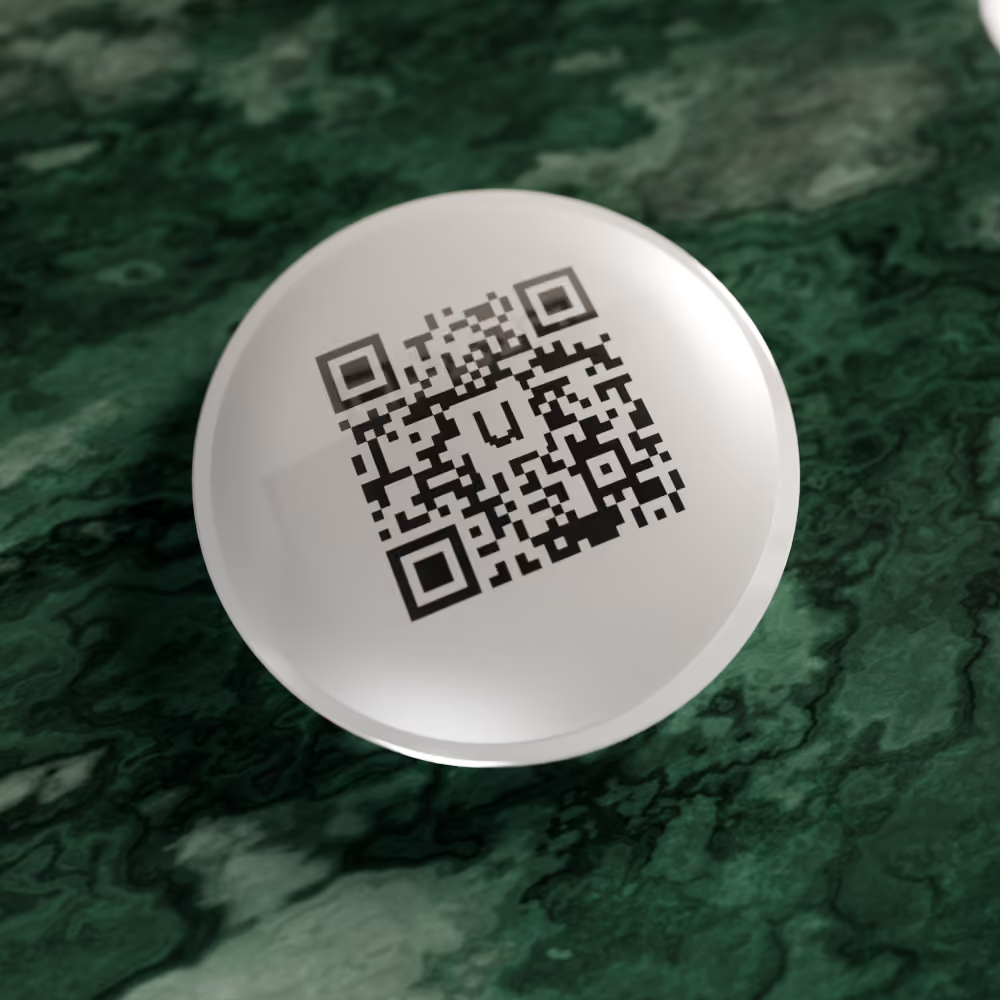
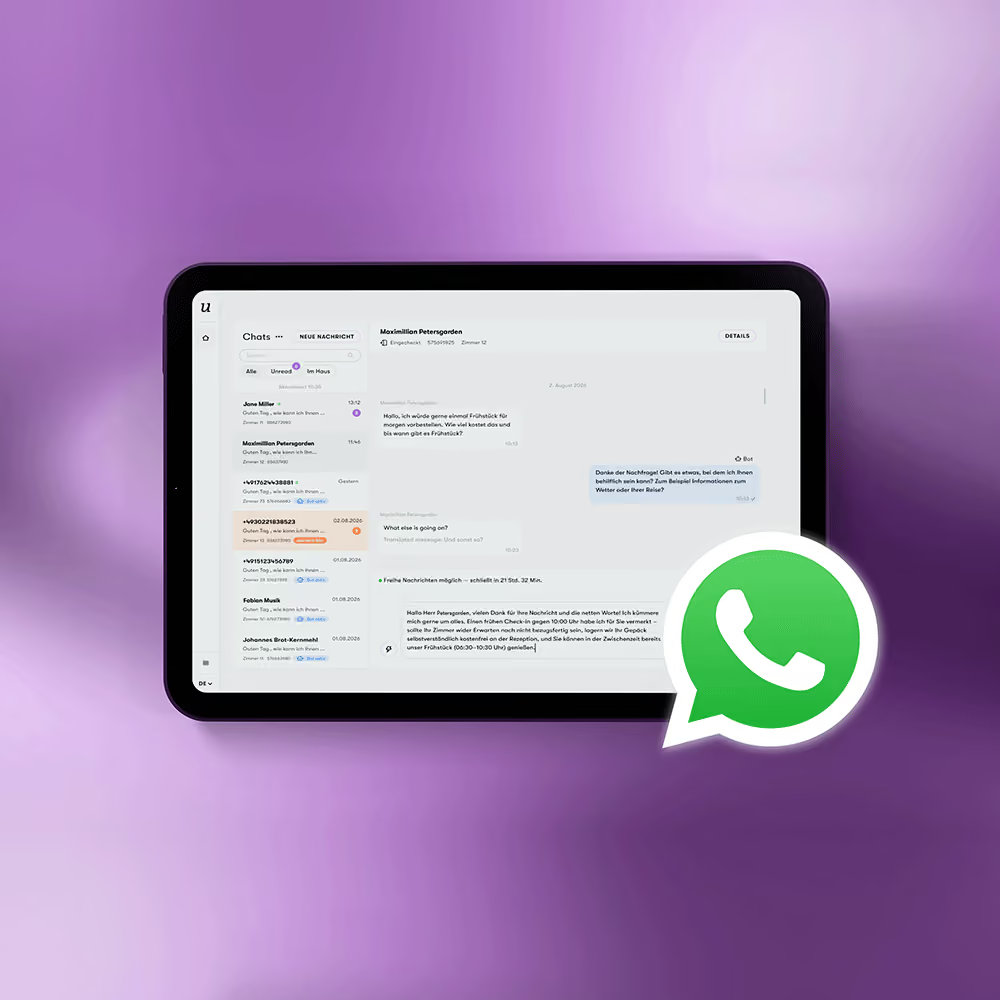
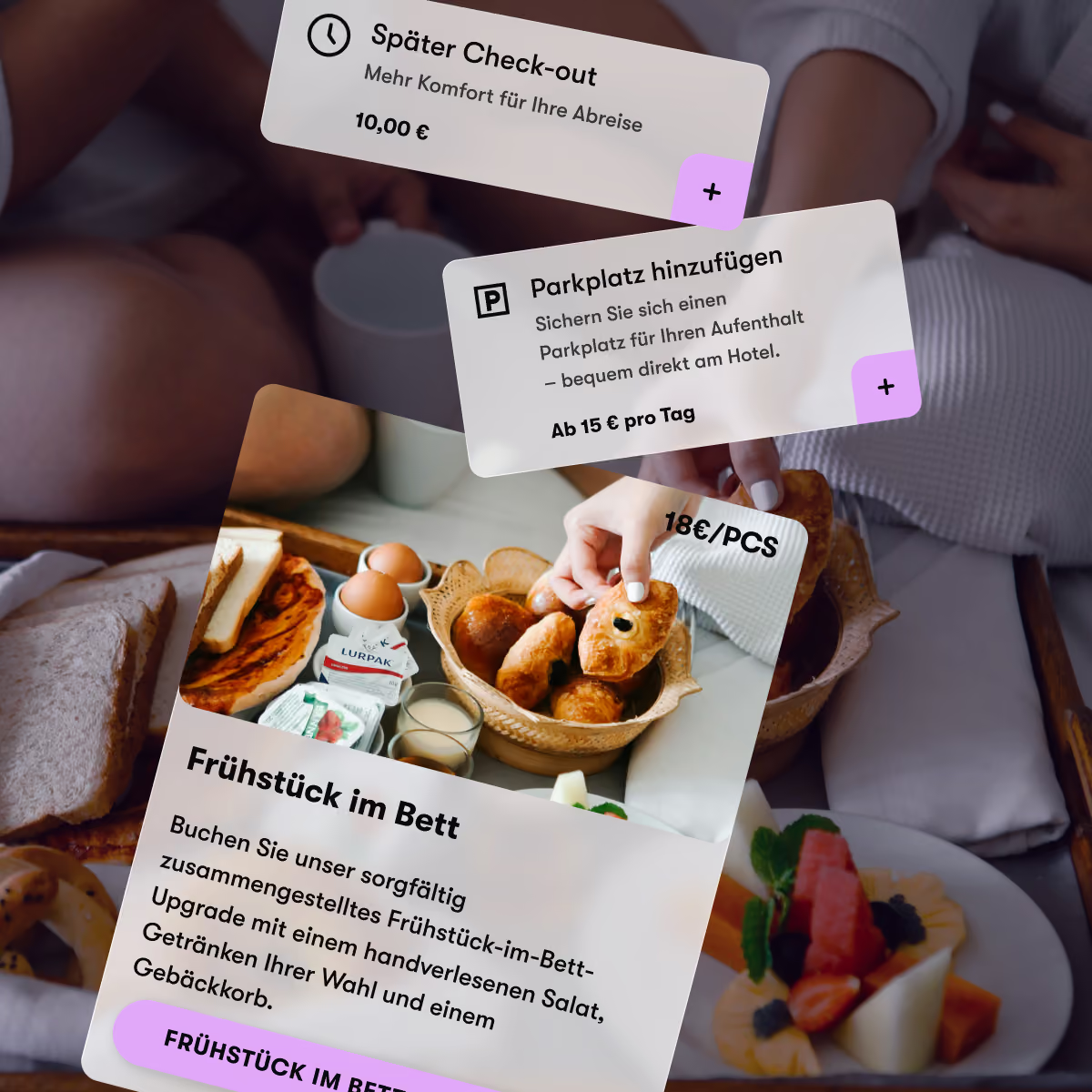
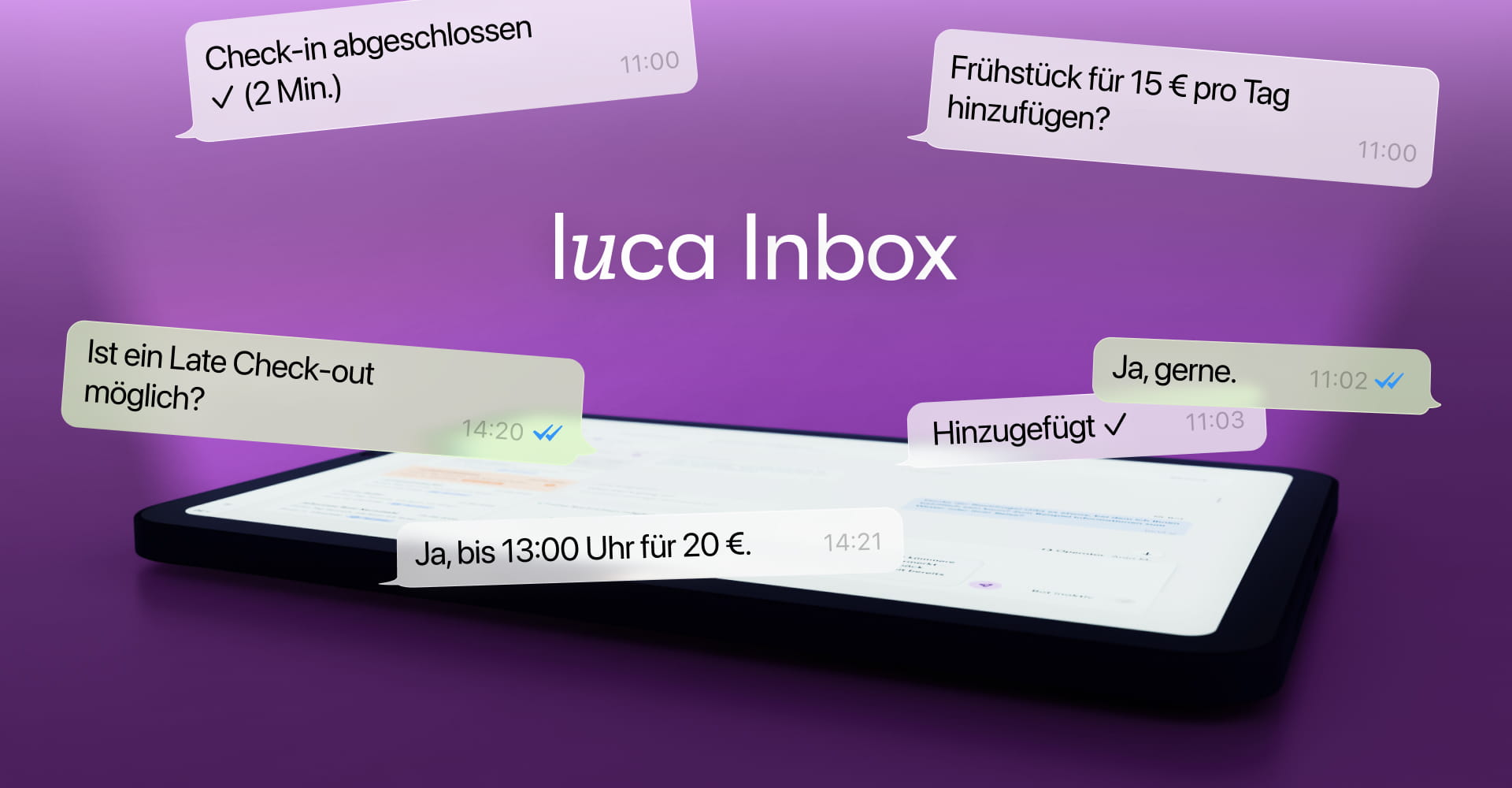
After booking, the guest receives a link or QR code, usually via email or WhatsApp. They open it in their browser—no app required. There, they enter their address, provide a payment method, and select optional extras like an early check-in or breakfast. Up to 69 percent of guests complete this in advance.
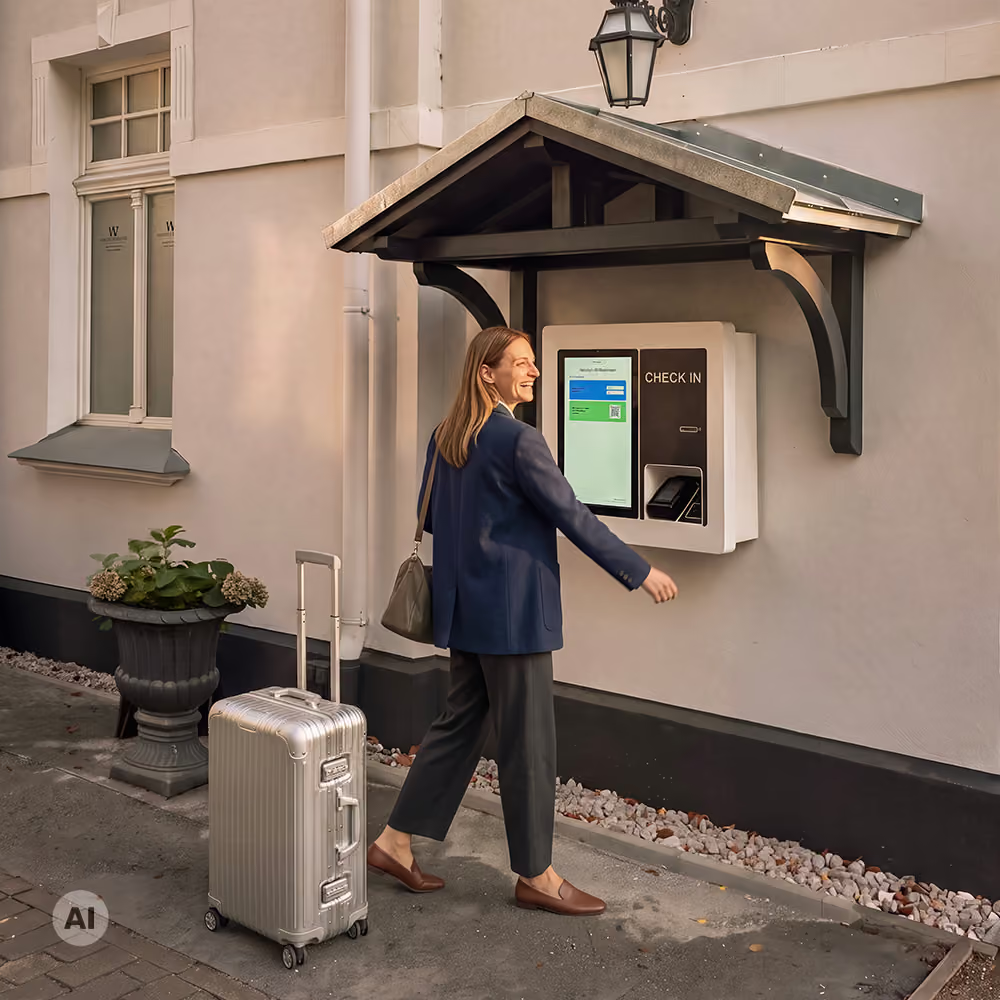
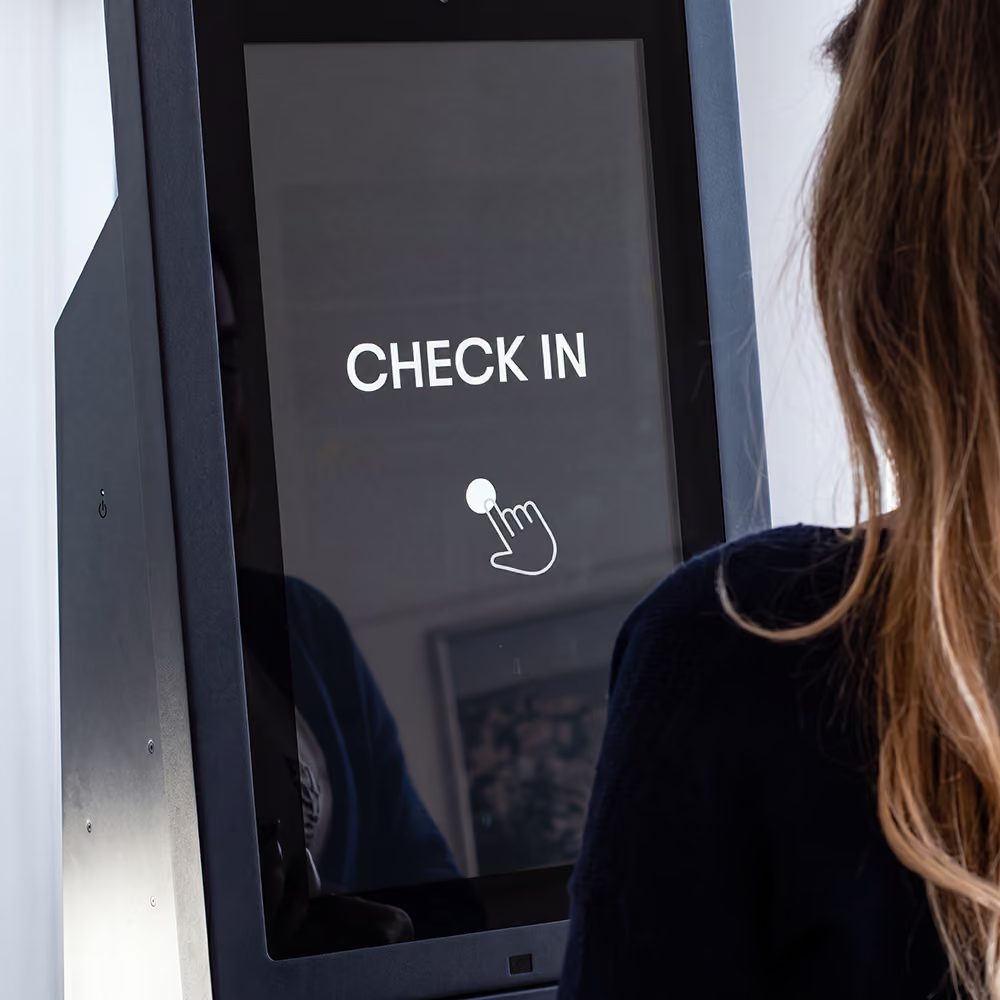
On the day of arrival, the guest confirms their check-in. This can be done on their own smartphone or at a self-service kiosk in the lobby. Because the data is already on file, confirmation takes only seconds. Afterward, they receive their room key, either as a digital key on their phone or as a traditional keycard from the kiosk.
The check-out process works in reverse: the guest reviews the bill, receives it via email, and returns the keycard if necessary. This reduces check-in time by up to 80 percent and saves several hours at the front desk every day.
Would you like to see how this fits your property? The Digital check-in and check-out page shows the complete process.
Not every property needs the same setup. A city hotel with many business travelers has different peak times than a holiday resort with families. This table will help you decide.
For most properties, the hybrid model is the safest choice. The majority of guests check in conveniently via their phone, and those who prefer not to use one can go to the kiosk. This ensures no guest is left out while keeping the reception area clear.
The legal situation here has changed, and many establishments are not yet aware of the details. The Fourth Bureaucracy Relief Act (Bürokratieentlastungsgesetz IV) was passed on September 26, 2024, and has been in effect since January 1, 2025. It amends sections 29 and 30 of the Federal Registration Act (Bundesmeldegesetz).
As of this date, the registration requirement for guests with German citizenship has been eliminated. You no longer need to issue, have guests fill out, or store registration forms for German overnight guests.
For foreign guests, everything remains the same. They must still complete and hand-sign a registration form on the day of arrival. In addition, they must provide identification with a valid passport or substitute travel document.
The basis for this distinction is Article 45 of the Schengen Implementing Convention. You must retain the registration form for twelve months and destroy it no later than three months after that period.
For digital check-in, this means: luca asks for nationality and guides foreign guests through the registration form and signature process, while German guests skip this step. When in doubt, check your specific situation, as different rules may apply to vacation rentals or special circumstances. This is an editorial summary and not legal advice.
A digital check-in is only as good as its connection to your property management system. Without integration, someone ends up typing the guest data in anyway. That wastes time and leads to errors.
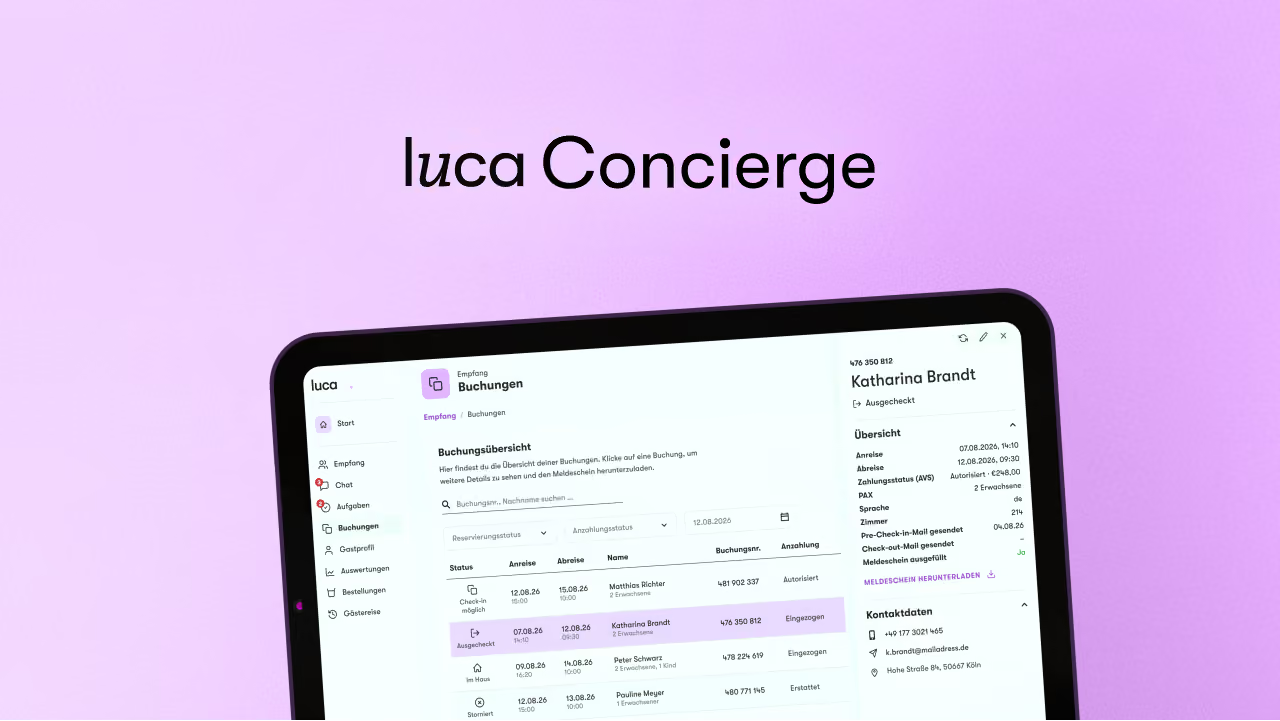
luca connects to your existing PMS. Data from the pre-check-in flows directly into the reservation, and the check-in status is updated accordingly. Your staff can see who has already checked in within their familiar system. The result: one source of data, no duplicate entry.
This connection is exactly what makes the difference between a nice extra and a real time-saver. You can read about where to start with the digitalization of your property in our article on the first steps of digitalization in hotels.
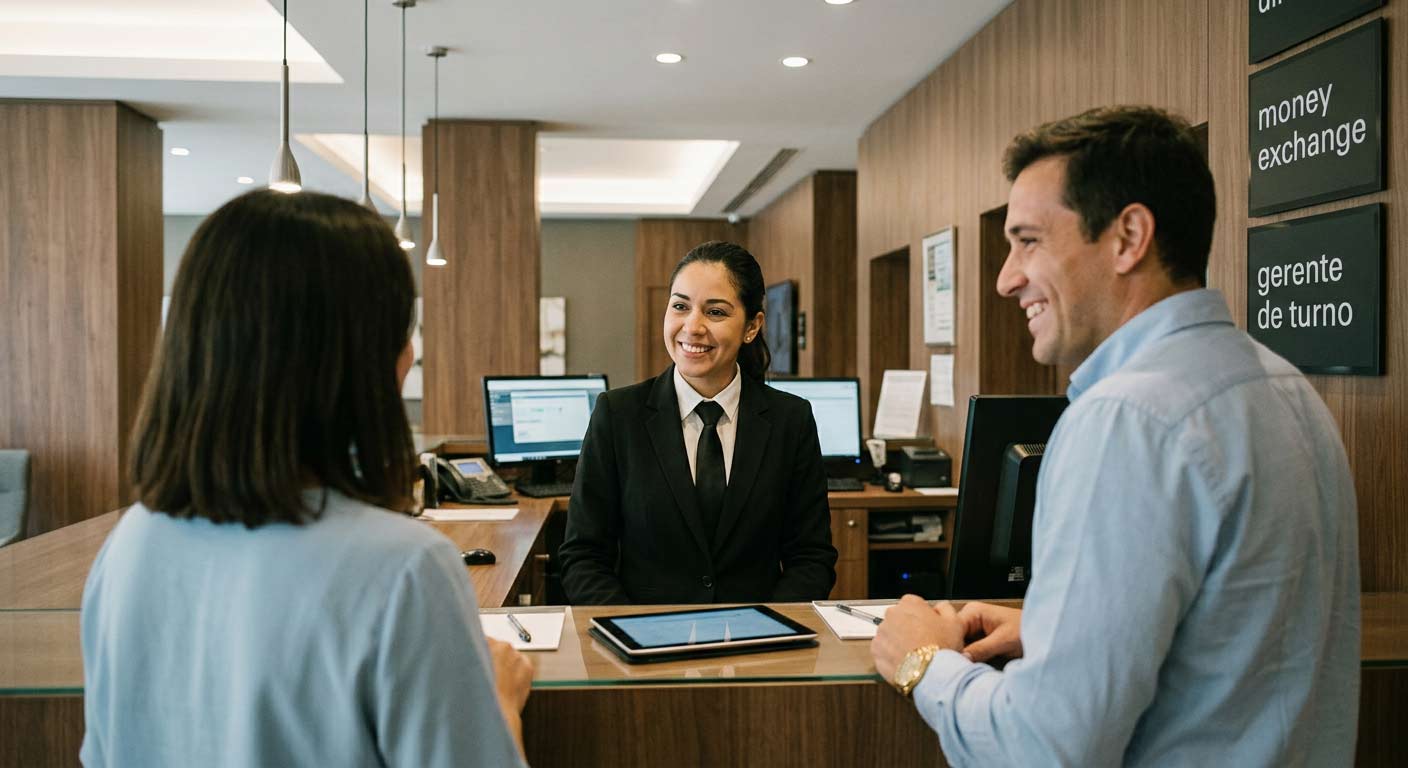
Digital check-in does not replace your staff. It takes the manual data entry off their hands and gives them time back for your guests. Instead of processing forms, they can welcome guests, provide advice, and handle the situations that truly require a human touch.
The Vienna House by Wyndham Andel's Berlin shows what this looks like on a large scale. With over 550 rooms, it is one of Germany's largest business and conference hotels. Guests check in there in seconds via smartphone or lobby terminal, including receiving their room key. Payments and invoices are processed automatically, many processes are digitized, and onboarding for new staff is faster.
You decide for yourself how much of a traditional front desk you want to keep. Some establishments go fully self-service, while others maintain a staffed reception and use digital check-in only to reduce the workload. Both approaches work.
More than just arrival can be handled during check-in. Three things are integrated into the same process with luca.
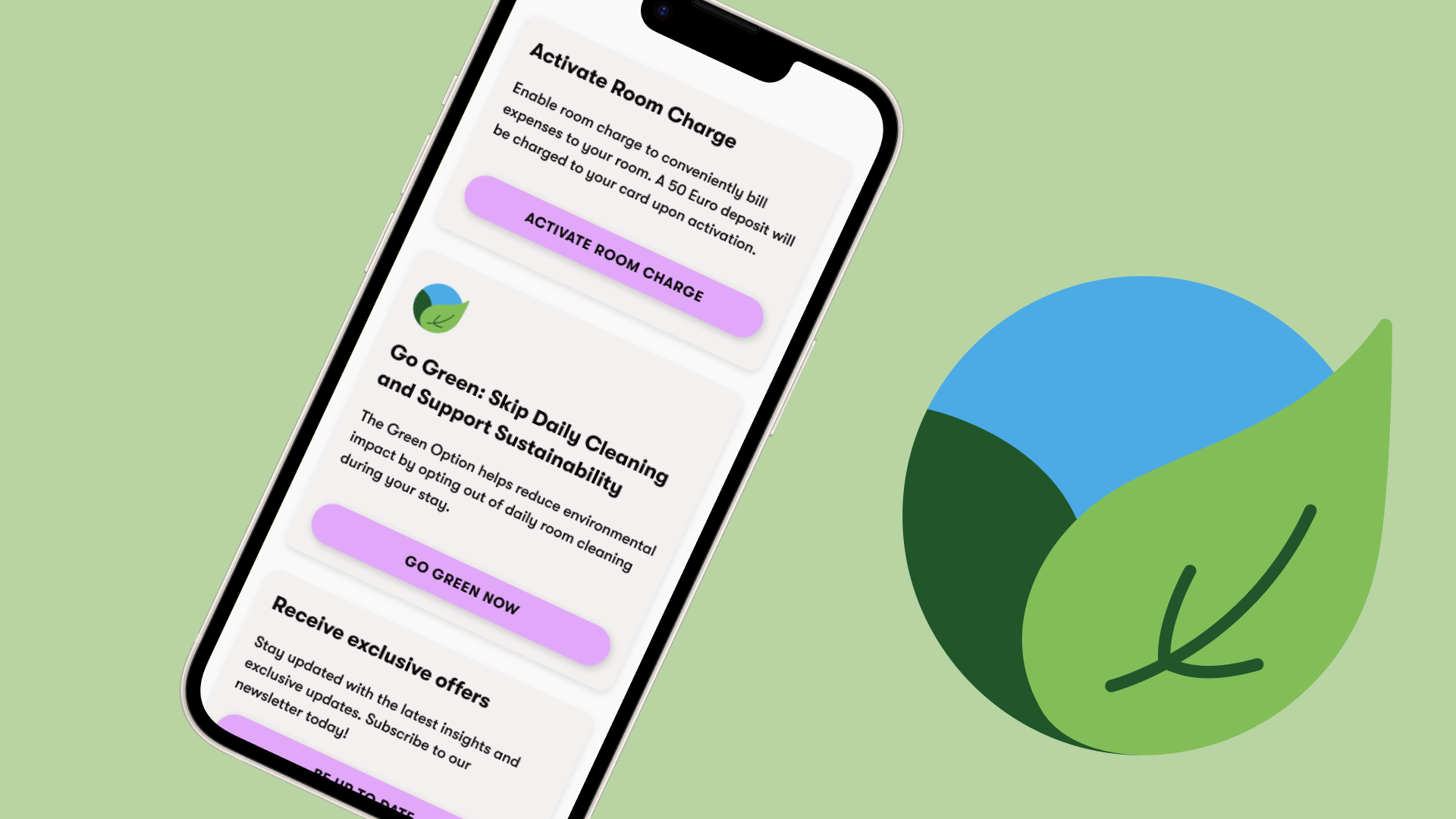
Guests provide their payment method during pre-check-in. This settles the deposit or pre-authorization before arrival, ensuring a smooth checkout process without any billing disputes. During check-in, you can also offer the Green Option: guests can voluntarily opt out of daily housekeeping, saving you on cleaning and laundry costs.
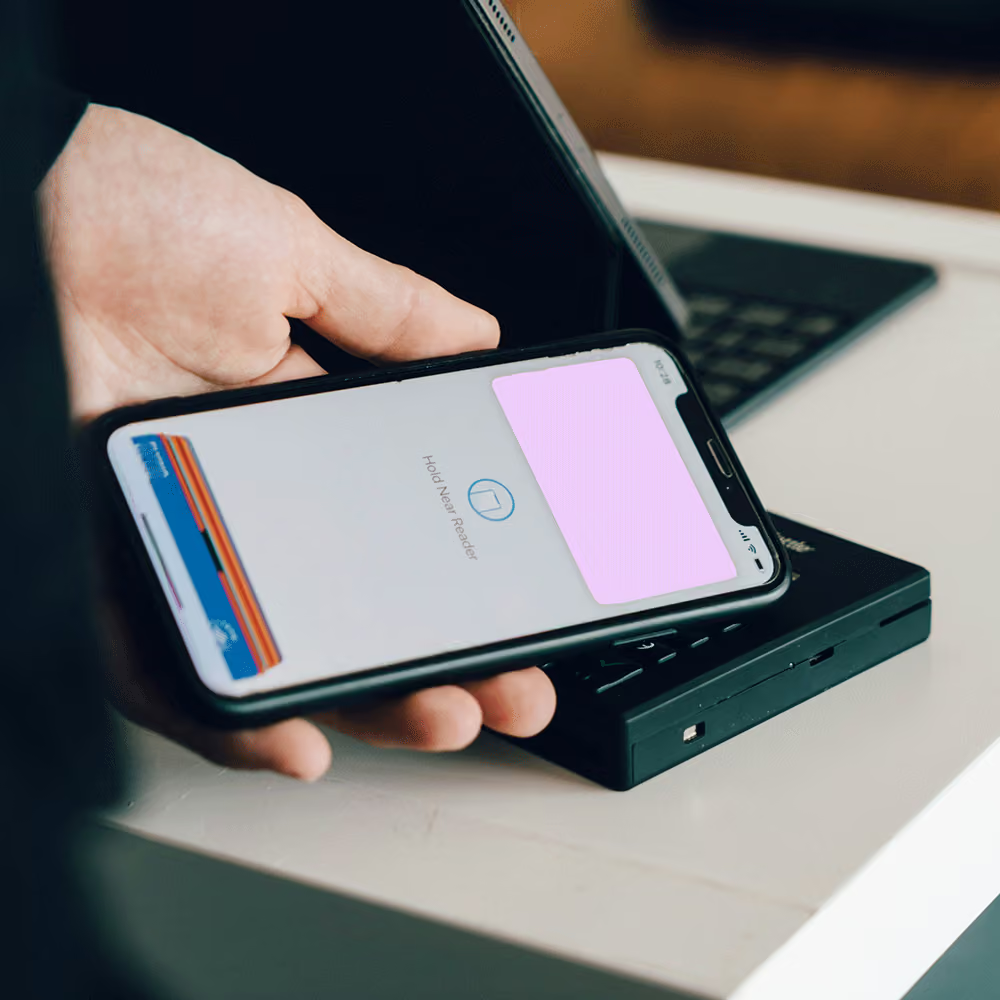
This also includes the room key. With digital keys guests can unlock their doors using their smartphones, eliminating the need to visit the front desk or worry about lost key cards. And because check-in is the moment when guests are most receptive to additional offers, you can automatically display relevant upsells like room upgrades or late checkout.
luca is typically ready to use in under a week. Digital check-in then reduces check-in time by up to 80 percent, saving several hours at the front desk every day.
No. As of January 1, 2025, the Bureaucracy Relief Act IV has eliminated the registration requirement for guests with German citizenship. For foreign guests, a handwritten, signed registration form and a valid passport remain mandatory upon arrival. luca handles this automatically based on the guest's nationality.
Yes. luca integrates with your existing property management system so that guest data and check-in status flow seamlessly without the need for double entry. We can quickly clarify which specific systems are supported during a demo for your property.
No. The check-in process is web-based and accessed via a link or QR code in the browser. Guests without a smartphone can check in at a self-service kiosk in the lobby.






.png)


