Hotel app for guests or web-based guest journey?
Whether your hotel needs a native guest app or a web-based solution depends on length of stay, return rate, and loyalty program. For most properties, a web-based journey via QR code or link reaches more guests without the need for a download. A native app pays off primarily for large chains with high repeat business.
Hotel app for guests or web-based guest journey?
In German hotels, the average guest stays for about 1.8 nights. Hardly anyone is going to install an app for just two nights.
This guide shows you which model is worth it. You will learn what a native app really delivers, how the web-based journey works, and how both compare in terms of adoption rates, costs, and loyalty. By the end, you will know which model suits your property.
The essentials at a glance
- According to the Federal Statistical Office, the average length of stay in German hotels is around 1.8 nights. This short stay explains the low willingness to download apps.
- A native app offers push notifications, loyalty accounts, and offline access. These strengths pay off when you have high repeat business and a loyalty program.
- A web-based journey via QR code or link requires no installation, runs on any device, and is always up to date. Almost all platforms in our provider comparison reach guests via the browser.
- With luca, the web-based journey achieves up to 69% pre-usage before check-in and covers the entire process from check-in to check-out.
- For large chains with regular guests, a hybrid solution can make sense: an app for loyalty, and the web for the rest of the stay.
The download problem: why short stays argue against an app
In the German hotel industry, the average guest stays for about 1.8 nights, and often even less in city and business hotels (Source: Federal Statistical Office, Accommodation Statistics 2024). From a guest's perspective, installing an app for such a short stay is rarely worth it. The effort is disproportionate to the benefit for just two nights.
Every download consists of several steps. The guest opens the app store, searches for the right app, waits for the installation, and often has to create an account. Guests drop off at every one of these steps. This exact hurdle determines how many guests actually end up seeing your digital offerings.
A digital guest journey using the browser bypasses this hurdle. Guests simply scan a code or tap a link and are in immediately. This is where you gain the reach that an app loses.
What a native app can really do, and when it’s worth it
A native app has distinct strengths that a website cannot offer. Three of them are decisive.
- Push notifications: The app reaches the guest directly on their lock screen, even without the page being open. This is ideal for offers, reminders, and urgent updates.
- Loyalty accounts: Points, status, and booking history are permanently stored in the guest's profile. This builds long-term engagement over many stays.
- Offline access: Once loaded, content works even without a connection, such as in areas with poor Wi-Fi or abroad without data roaming.
These strengths pay off under clear conditions. A large chain with a high return rate and a genuine loyalty program recoups the installation effort over many stays. A guest who stays at the same brand twenty times a year is happy to install the app once. For an individual city hotel with changing guests, however, the same app rarely pays off.
The web-based model: one scan, no download
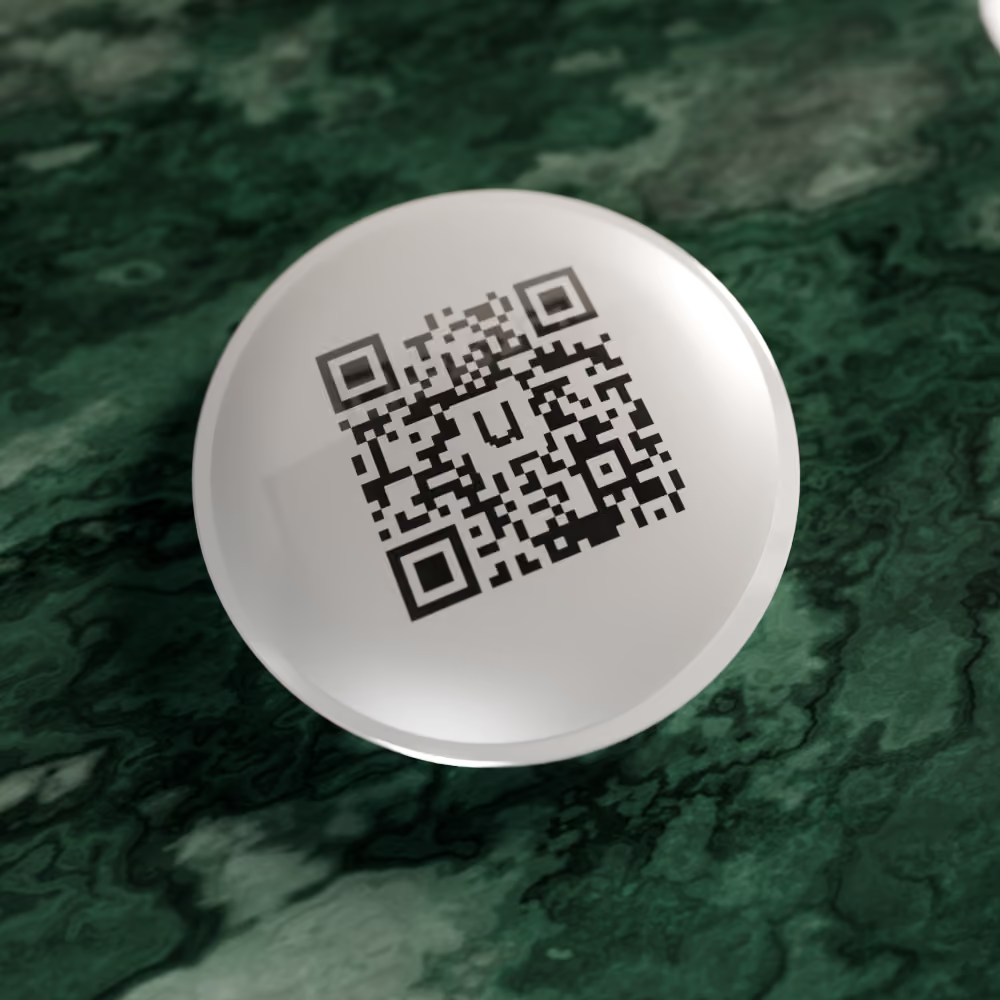
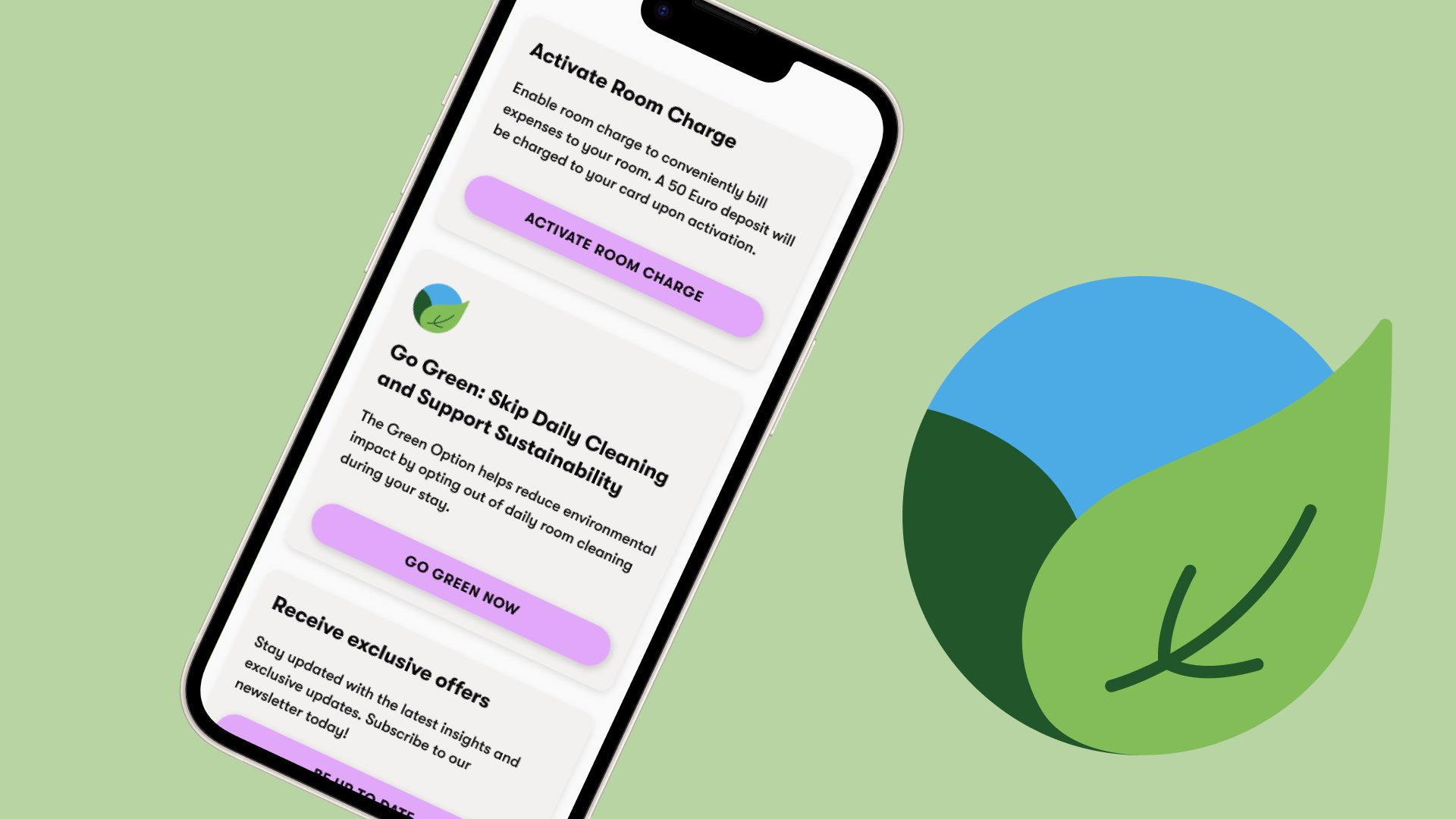
With the web-based model, the guest accesses all functions via the browser. They scan a QR code or open a link received via email, WhatsApp, or in their booking confirmation. There is no installation and no account required. The code works equally well on iPhone and Android.
This model is now widespread: many providers in the market rely on a journey without downloads. The advantage lies in reach and maintenance. If you change a breakfast time or an offer, the update is live for all guests immediately, without needing app store approval. This keeps the content current at all times.
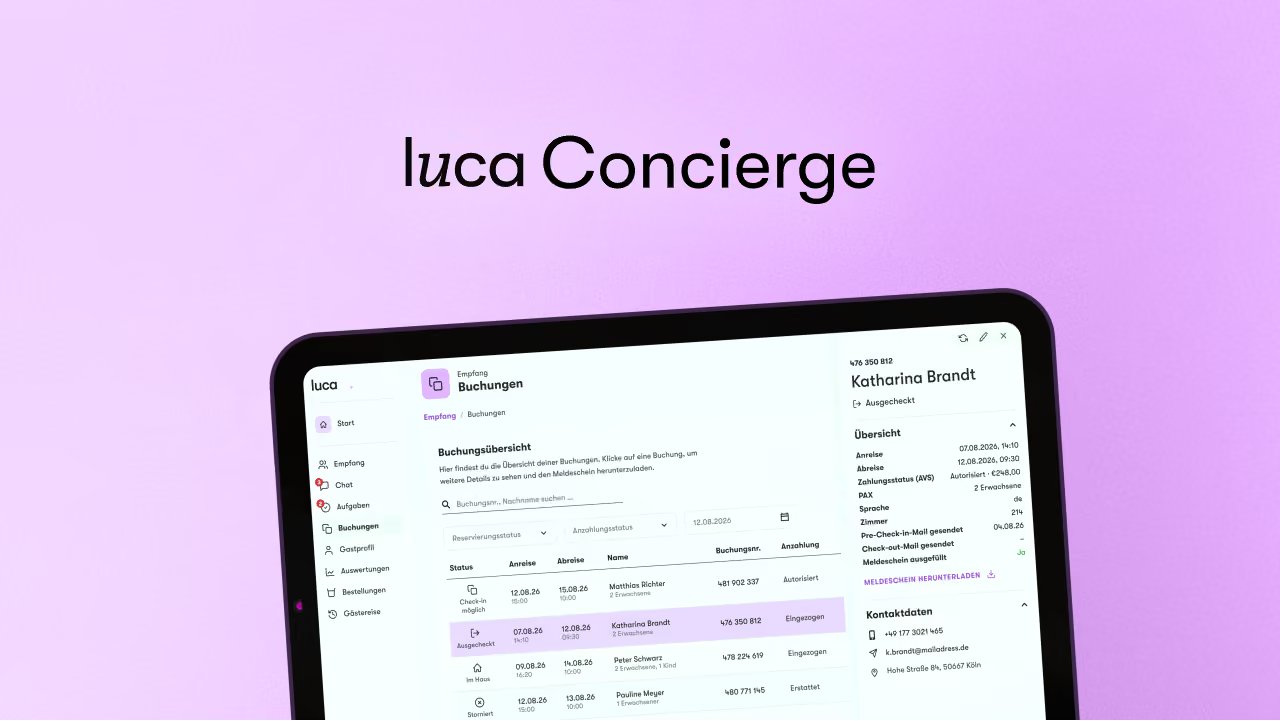
At luca, the entire guest journey is web-based, from check-in to the digital concierge and check-out. All the guest needs is their smartphone and a browser.
Decision table: native app, web-based, or hybrid
The three models differ in reach, cost, maintenance, pre-arrival accessibility, and suitability for loyalty programs. This table compares them.
- Adoption rate: Native App: Low, as downloads act as a barrier. Web-based (QR/Link): High, a single scan is all it takes. Hybrid: High via web, app for regular guests.
- Costs: Native App: Development plus ongoing maintenance. Web-based (QR/Link): License fee, no app development required. Hybrid: Both, highest level of effort.
- Maintenance: Native App: App store approvals required for every update. Web-based (QR/Link): Centralized, live immediately. Hybrid: Two systems to manage in parallel.
- Pre-arrival reach: Native App: Only if the guest installs it beforehand. Web-based (QR/Link): Yes, via link before arrival. Hybrid: Yes, via the web component.
- Loyalty suitability: Native App: Strong for regular guests. Web-based (QR/Link): Good for one-time stays. Hybrid: Strong, with the app driving the program.
The table reveals a clear pattern. Web-based solutions win on reach, cost, and maintenance. Native apps win on loyalty and long-term engagement. A hybrid approach combines both but requires the effort of running two systems.
Adoption funnel comparison
The most significant difference lies in how many guests actually reach the end goal. The following example is illustrative and shows the typical logic of both paths, without using specific luca metrics.
Assuming 100 guests receive information about the digital service before arrival:
- Native App: Open app store, search, install, create account. A portion of users drops off at every step, meaning only a small fraction of guests end up actively using the app.
- Web-based: Open link or scan QR code, done. The majority of guests enter the journey in a single step.
This explains the real-world figures. With luca, up to 69% of guests use the journey even before checking in. This reach is possible because there is no download standing between the guest and the service.
From check-in to check-out: the web-based journey
A web-based journey covers the entire stay. It begins before arrival and ends with check-out.
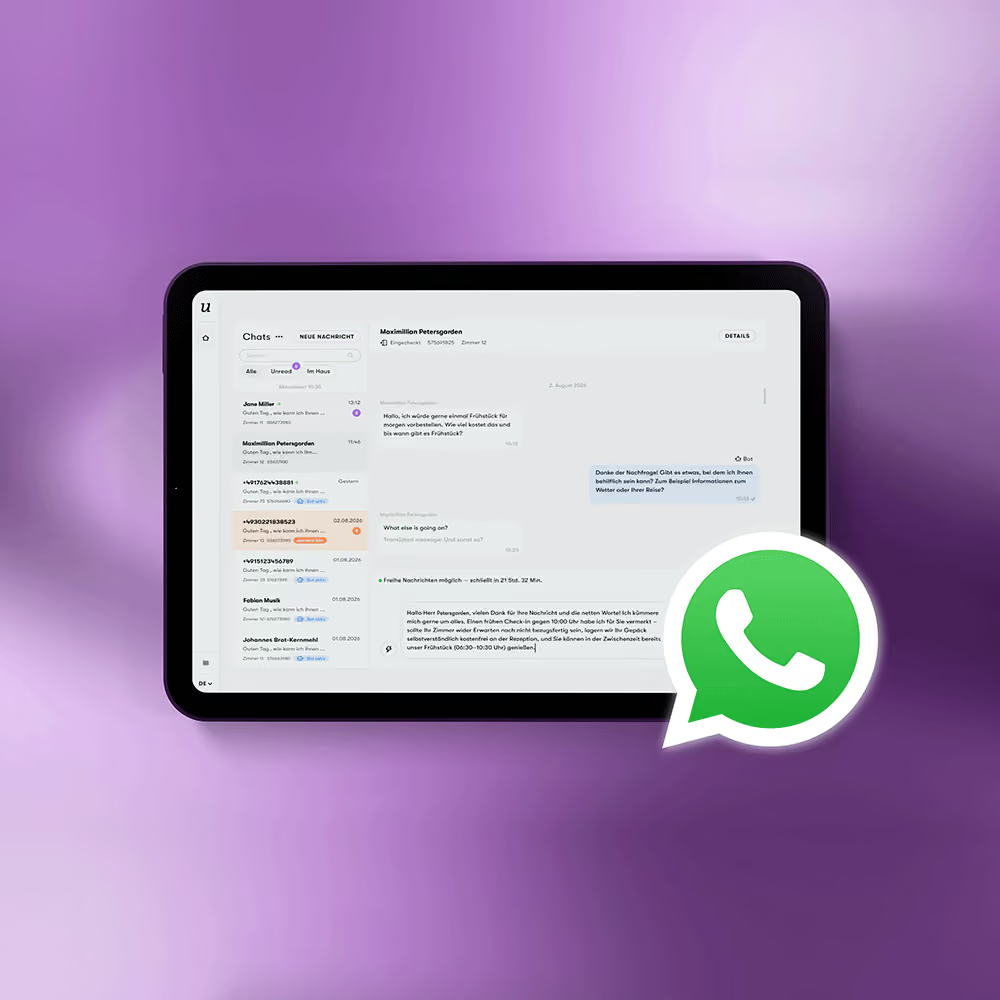
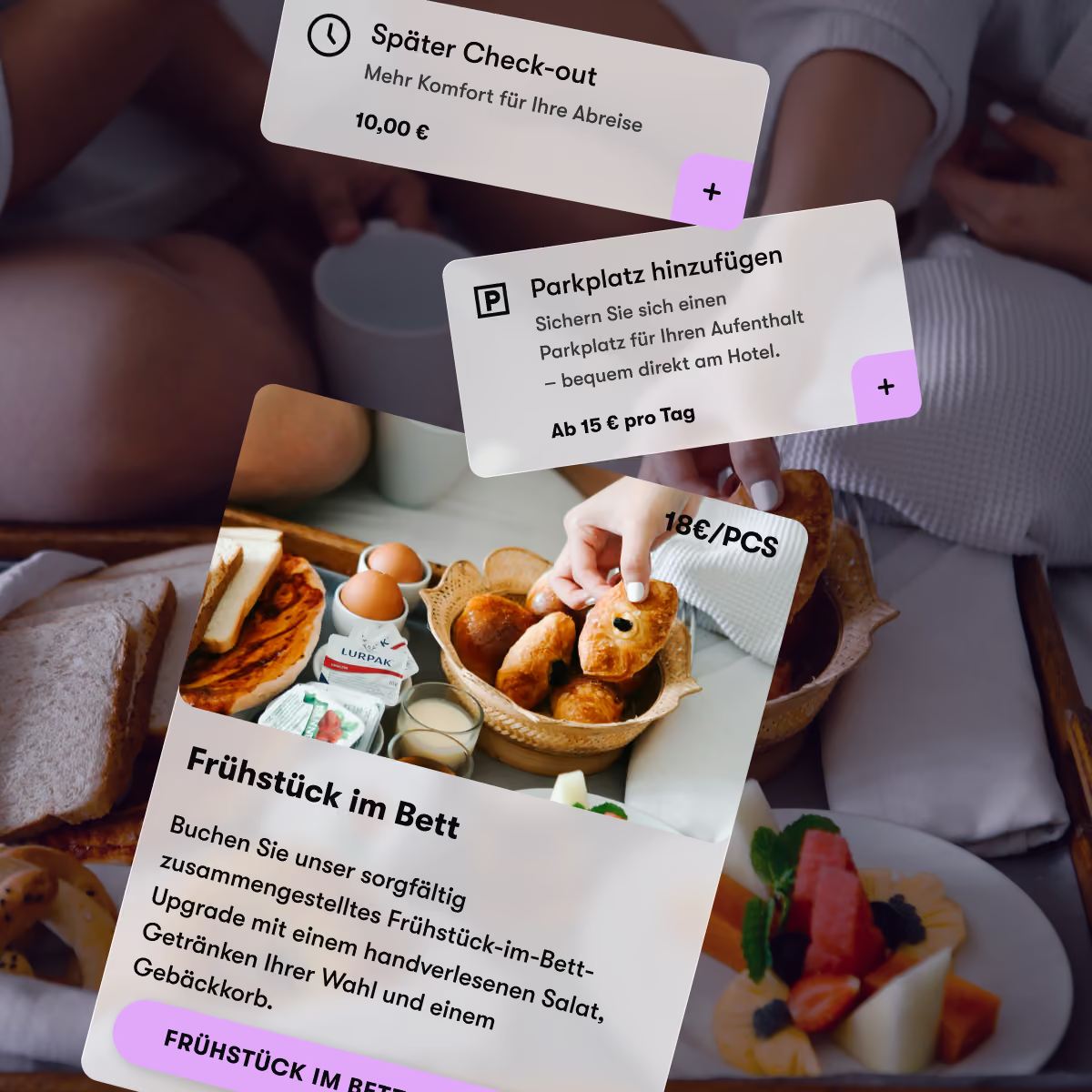
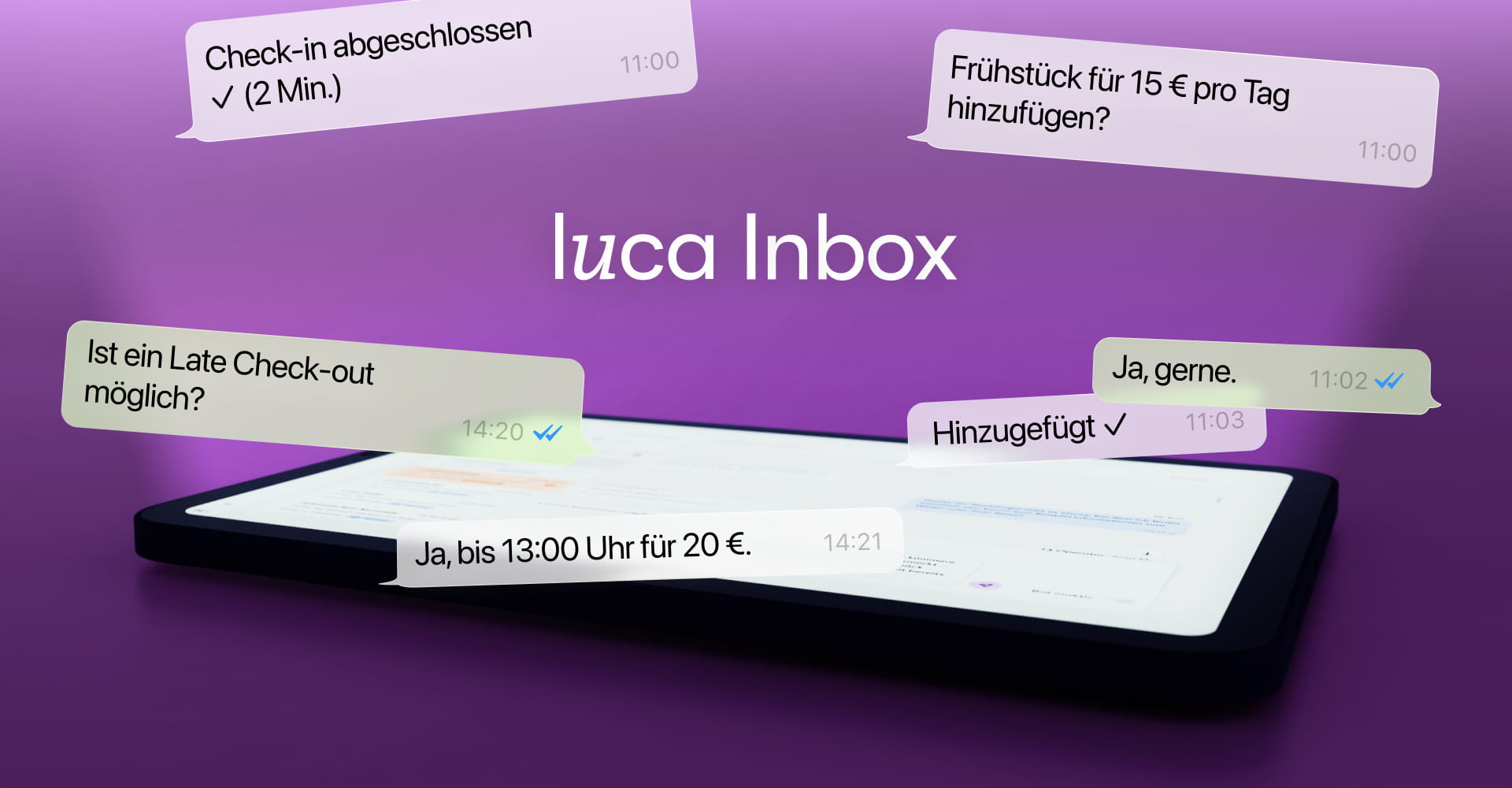
Before arrival, guests enter their details and payment method, all without an app. During their stay, their smartphone serves as a digital concierge for Wi-Fi, breakfast, spa, and local tips. Via luca Chat they can ask questions via WhatsApp or email, with AI answering recurring queries. At check-out, they review their bill and receive it by email.
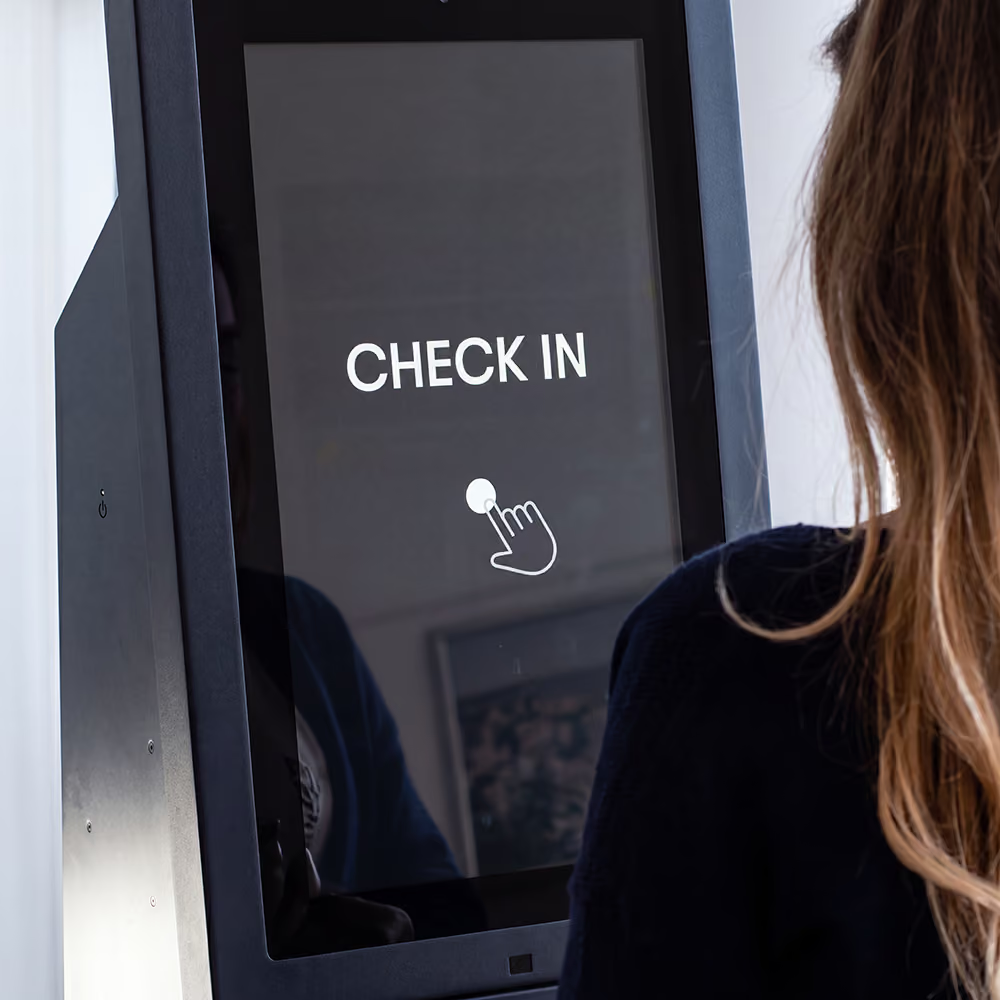
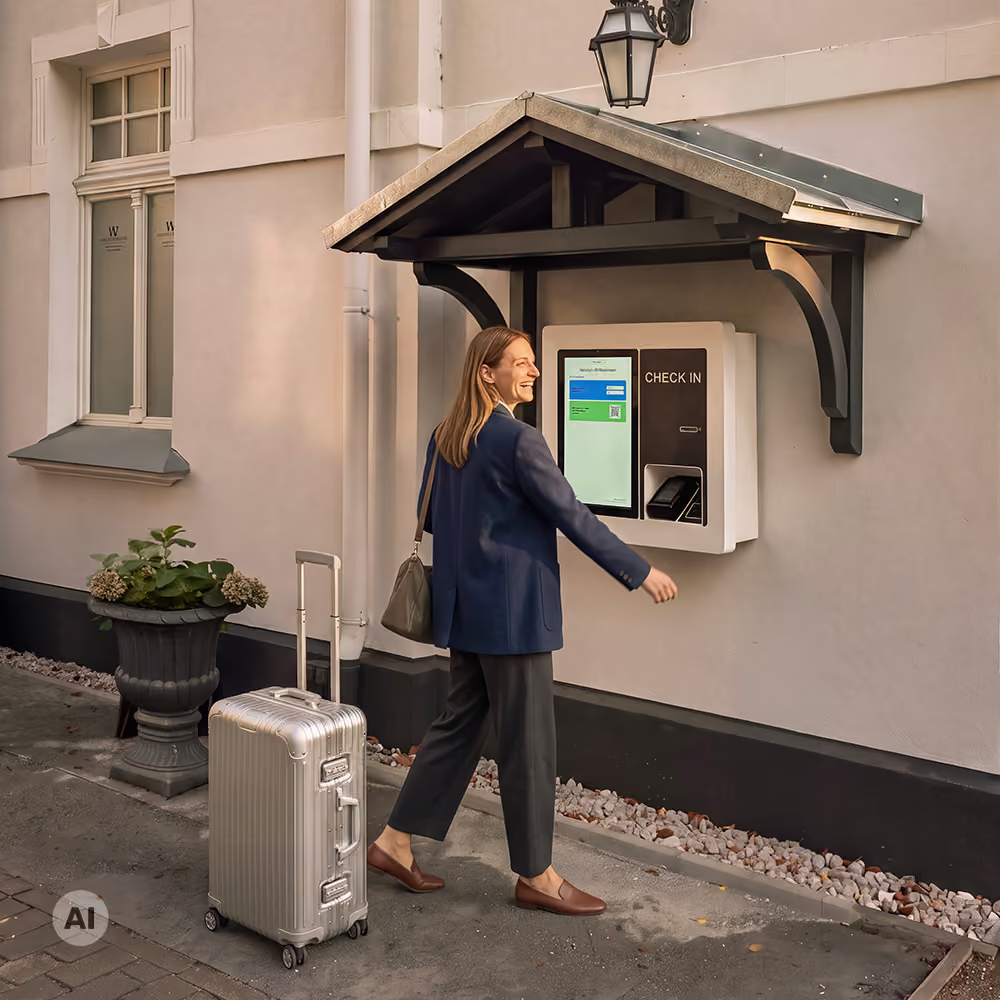
The Vienna House by Wyndham Andel's Berlin, with over 550 rooms, follows this exact path. Guests check in within seconds via smartphone or lobby terminal and use the digital concierge throughout their stay. You can read a more in-depth look at the content and models in our guide to the digital guest directory.
Does the web-based journey work offline?
It requires a connection, but it works with the hotel's own Wi-Fi, which is available everywhere anyway. Guests load content such as Wi-Fi access, breakfast times, and house rules once and then have it ready to go. For the typical hotel experience, constant offline access is rarely necessary.